


How to Choose the Right MCB for Your Home or Office Choosing the right MCB for your home or office is one of the most important decisions for electrical safety. An MCB (Miniature Circuit Breaker) protects electrical circuits from overloads and short circuits, helping prevent equipment damage and electrical fires. Whether you are setting up a new property or upgrading an existing electrical system, selecting the correct MCB ensures reliable power distribution and long-term safety. Understanding factors such as current rating, breaking capacity, pole type, and application can help you make an informed decision and avoid unnecessary electrical risks. What Is an MCB and Why Is It Important? An MCB (Miniature Circuit Breaker) is a protective device that automatically switches off the power supply whenever it detects excessive current. Unlike traditional fuses, an MCB can be reset after the fault is resolved, making it a safer and more convenient option. Some major benefits of using an MCB include: Protects against overload and short circuits. Reduces the risk of electrical fires. Prevents damage to appliances and equipment. Offers quick fault detection. Requires minimal maintenance. Types of MCBs Different electrical applications require different types of MCBs. The most commonly used ones include: Type B MCB Suitable for residential homes where electrical loads are relatively low. These are commonly used for lighting circuits and household appliances. Type C MCB Designed for moderate electrical loads, making them ideal for offices, commercial spaces, and small industries where equipment has higher starting currents. Type D MCB Used in industrial environments where heavy machinery and motors generate high inrush currents. Factors to Consider When Choosing the Right MCB 1. Current Rating The current rating determines the amount of electrical current an MCB can safely handle. Common ratings include: Application Recommended Rating Lighting Circuits 6A–10A General Power Sockets 16A–20A Air Conditioners 20A–32A Industrial Equipment As per electrical load Always calculate the connected load before selecting the current rating. 2. Breaking Capacity Breaking capacity indicates the maximum fault current an MCB can interrupt safely. Residential buildings generally require 6kA MCBs, while commercial and industrial installations may require higher capacities depending on the electrical network. 3. Number of Poles Select the appropriate pole configuration based on your electrical system. Single Pole (SP): Residential lighting and small appliances. Double Pole (DP): Additional protection for specific appliances. Triple Pole (TP): Three-phase commercial systems. Four Pole (TPN): Industrial and commercial electrical distribution. 4. Type of Electrical Load Different appliances draw different amounts of current. Motors, pumps, and compressors require MCBs capable of handling higher starting currents, while lighting circuits generally need lower-rated breakers. 5. Quality and Certification Choose MCBs that comply with recognized quality standards. Certified products undergo rigorous testing for performance, reliability, and electrical safety, ensuring better long-term protection. Common Mistakes to Avoid Many people unknowingly select the wrong MCB for their electrical system. Avoid these common mistakes: Choosing an oversized MCB. Ignoring breaking capacity. Using residential MCBs for industrial applications. Purchasing low-quality products from unverified manufacturers. Skipping professional electrical consultation for complex installations. Why Professional Installation Matters Even the best MCB cannot provide complete protection if installed incorrectly. A qualified electrician can calculate electrical loads, recommend the correct breaker type, ensure proper wiring, and verify that the installation complies with electrical safety standards. Conclusion Selecting the right MCB for your home or office requires careful consideration of current rating, breaking capacity, pole configuration, and the type of electrical load. Investing in a quality MCB improves safety, protects valuable electrical equipment, and ensures uninterrupted power distribution. Before making a purchase, always evaluate your electrical requirements and seek professional guidance when necessary. For reliable electrical protection solutions, Biocon Electric offers a wide range of high-quality MCBs designed to meet residential, commercial, and industrial safety requirements while maintaining dependable performance and long-lasting durability. FAQs 1. What is the purpose of an MCB? An MCB protects electrical circuits by automatically disconnecting the power supply during overloads or short circuits. This helps prevent electrical fires, equipment damage, and unnecessary safety hazards. 2. Which MCB is best for a home? Type B MCBs are generally suitable for residential homes because they are designed to handle normal household electrical loads such as lighting, fans, and standard appliances safely. 3. How do I calculate the correct MCB rating? Calculate the total connected electrical load in watts, divide it by the supply voltage to determine current, and choose the nearest suitable MCB rating with guidance from a qualified electrician. 4. Can I replace an MCB myself? Replacing an MCB involves working with live electrical systems. It is always recommended to hire a licensed electrician to ensure safe installation and compliance with electrical safety standards. 5. How long does an MCB last? A high-quality MCB can last for many years under normal operating conditions. Regular inspections and proper installation help maintain its performance and ensure reliable electrical protection.

Top 10 LED Downlights in India: Best Picks for Homes and Offices in 2026 Choosing the right LED downlights in India can completely transform the look and feel of your home or workplace. Modern LED downlights provide bright illumination, consume less electricity, and last much longer than traditional lighting options. Whether you are renovating your living room, designing a new office, or upgrading commercial interiors, selecting the right LED downlight is essential for better lighting performance and lower energy bills. In 2026, homeowners and businesses are looking for lighting solutions that combine efficiency, durability, and elegant design. With numerous options available, finding the best product can be confusing. This guide covers the top 10 LED downlights in India, important buying factors, and practical tips to help you make an informed decision. Why Choose LED Downlights? LED downlights have become a preferred lighting solution because they offer several advantages over conventional lights. Key Benefits Lower electricity consumption Longer lifespan than traditional bulbs Uniform and glare-free lighting Minimal heat generation Stylish and modern appearance Suitable for homes, offices, hotels, and retail spaces Environment-friendly lighting technology How to Choose the Best LED Downlights in India Before purchasing an LED downlight, consider these important factors: 1. Wattage Select the wattage according to the room size. Smaller rooms usually require 6W–9W, while larger spaces may need 12W–18W downlights. 2. Brightness Compare lumen output instead of just wattage. Higher lumens provide brighter illumination without increasing energy consumption significantly. 3. Colour Temperature Warm White (3000K): Bedrooms and living rooms Natural White (4000K): Dining and common areas Cool White (6500K): Offices, kitchens, and workspaces 4. Build Quality Choose LED downlights made with quality materials and efficient heat management to ensure long-lasting performance. 5. Warranty A reliable warranty reflects the manufacturer’s confidence in product quality. Top 10 LED Downlights in India for 2026 Rank LED Downlight Best For 1 Philips LED Downlight Premium residential lighting 2 Havells LED Downlight Modern homes 3 Wipro Garnet LED Downlight Office interiors 4 Crompton LED Downlight Commercial applications 5 Orient LED Downlight Living rooms 6 Syska LED Downlight Budget-friendly homes 7 Bajaj LED Downlight Daily residential use 8 Panasonic LED Downlight Luxury interiors 9 Surya LED Downlight Retail stores 10 Biocon Electric LED Downlight Homes and office lighting Where Can LED Downlights Be Used? LED downlights are highly versatile and can be installed in various spaces, including: Living rooms Bedrooms Modular kitchens Offices Conference rooms Shopping malls Hotels Hospitals Educational institutions Reception areas Common Mistakes to Avoid Many buyers choose lighting based only on price. Instead, avoid these common mistakes: Buying incorrect wattage Ignoring lumen output Choosing unsuitable colour temperature Purchasing products without warranty Using poor-quality installation accessories Making informed decisions helps improve lighting efficiency and reduces maintenance costs over time. LED Downlights vs Traditional Ceiling Lights Feature LED Downlights Traditional Lights Energy Consumption Low High Lifespan Very Long Short Heat Generation Minimal Higher Maintenance Low Frequent Design Modern Conventional Why LED Downlights Are the Future The demand for LED lighting continues to grow because of increasing energy awareness and rising electricity costs. Modern LED downlights offer excellent brightness while consuming significantly less power, making them suitable for both residential and commercial applications. They also contribute to sustainable living by reducing energy consumption and requiring fewer replacements over time. Conclusion Finding the best LED downlights in India depends on your lighting needs, room size, and preferred brightness. By comparing build quality, energy efficiency, colour temperature, and warranty, you can invest in lighting that delivers long-term value. Whether you are upgrading a home or designing a professional workspace, selecting quality LED downlights ensures better illumination, improved aesthetics, and lower operating costs. For reliable and energy-efficient lighting solutions, Biocon Electric offers LED downlights designed to deliver consistent performance, durability, and modern aesthetics for residential and commercial spaces. FAQs 1. Which LED downlight is best for homes? The ideal LED downlight depends on room size, brightness requirements, and colour temperature. Products with high energy efficiency, durable construction, and reliable warranty are generally the best choice for residential use. 2. How long do LED downlights last? Most quality LED downlights have an average lifespan of 25,000 to 50,000 hours, depending on usage, manufacturing quality, and installation conditions. 3. Which colour temperature is suitable for offices? Cool White (around 6500K) is commonly preferred for offices because it improves visibility, supports concentration, and creates a brighter working environment. 4. Are LED downlights energy efficient? Yes. LED downlights consume significantly less electricity than conventional lighting while providing excellent brightness, helping reduce electricity bills and maintenance expenses. 5. Can LED downlights be installed in false ceilings? Yes. Most recessed LED downlights are specifically designed for false ceilings and provide a clean, modern appearance with uniform lighting distribution.
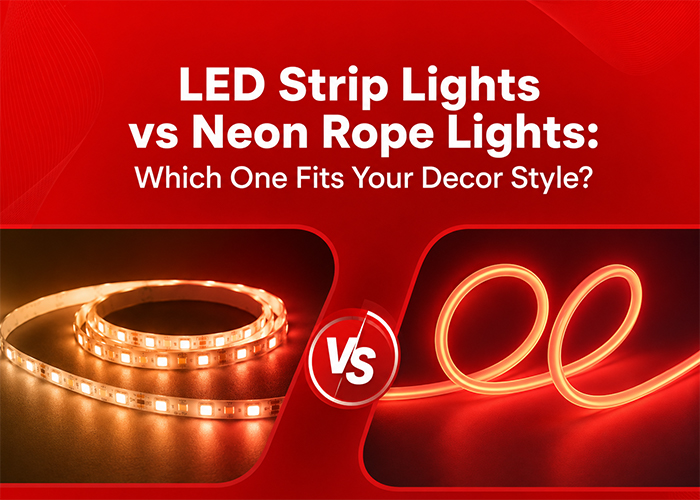
LED Strip Lights vs Neon Rope Lights: Which One Fits Your Décor Style? Lighting has become one of the easiest ways to change the look and feel of a space. Whether you are decorating a home, office, café, or retail store, choosing the right lighting can make a significant difference. Two of the most popular options today are LED Strip Lights and Neon Rope Lights. While both enhance interiors and exteriors, they serve different purposes based on design, brightness, flexibility, and application. If you are planning a lighting upgrade, understanding the differences between these two options will help you make a better decision. This guide compares LED Strip Lights and Neon Rope Lights to help you choose the one that best suits your décor style. LED Strip Lights vs Neon Rope Lights: Quick Comparison Feature LED Strip Lights Neon Rope Lights Appearance Visible LED chips Continuous smooth glow Brightness High brightness Soft and diffused lighting Flexibility Highly flexible Flexible with thicker body Energy Consumption Very low Low Installation Easy with adhesive backing Requires mounting clips Best Use Accent lighting, cabinets, ceilings Signage, outlines, decorative designs Maintenance Easy Low maintenance What Are LED Strip Lights? LED Strip Lights are flexible circuit boards fitted with multiple LED chips. They are available in different colours, brightness levels, and waterproof options. These lights are commonly used for modern interior decoration because they can be installed almost anywhere. Best Applications of LED Strip Lights False ceilings Kitchen cabinets TV units Bedroom headboards Study tables Staircases Office workstations Because of their slim design, LED Strip Lights create clean and modern lighting effects without occupying extra space. What Are Neon Rope Lights? Neon Rope Lights use LEDs enclosed inside a flexible silicone or PVC casing that creates a continuous glow similar to traditional neon lights. Unlike LED Strip Lights, individual LEDs are not visible, making the lighting smoother and more elegant. Best Applications of Neon Rope Lights Outdoor decoration Storefronts Wall art Restaurant interiors Garden pathways Event decoration Architectural outlines These lights are often chosen when aesthetics are more important than brightness. Which Lighting Option Matches Your Décor Style? Choose LED Strip Lights If You Prefer Minimalist interiors Smart home lighting Bright task lighting Hidden lighting effects Energy-efficient everyday use LED Strip Lights blend perfectly with contemporary homes where clean lines and subtle lighting are preferred. Choose Neon Rope Lights If You Prefer Decorative feature walls Artistic interiors Soft ambient lighting Commercial displays Creative signage Neon Rope Lights create a premium visual effect that stands out even from a distance. Energy Efficiency Comparison Both lighting options are energy efficient compared to traditional lighting systems. However, LED Strip Lights generally consume slightly less electricity because of their exposed LED design and efficient heat dissipation. If reducing electricity bills is your priority, LED Strip Lights are often the better choice. Durability and Maintenance Modern LED lighting products are designed for long-term performance. Quality LED Strip Lights can last up to 50,000 hours with proper usage. Neon Rope Lights also offer excellent durability because their protective casing shields the LEDs from dust, moisture, and minor physical damage. Choosing products from a trusted manufacturer ensures better performance and longer service life. Installation Difference LED Strip Lights are usually supplied with self-adhesive backing, making installation quick and convenient. They can also be cut at marked intervals for customized lengths. Neon Rope Lights require mounting clips or channels but provide a more professional and polished appearance once installed. Which One Should You Buy? There is no single winner because the right choice depends on your purpose. If your goal is functional lighting with modern aesthetics, LED Strip Lights are an excellent investment. If you want decorative lighting that creates a smooth, luxurious glow, Neon Rope Lights are the better option. Many homeowners even combine both products—using LED Strip Lights for hidden ambient lighting and Neon Rope Lights for decorative highlights. Conclusion Both LED Strip Lights and Neon Rope Lights offer unique advantages for residential and commercial spaces. Consider factors like brightness, installation, flexibility, energy efficiency, and overall décor style before making a decision. Selecting quality lighting products ensures better performance, improved safety, and long-lasting visual appeal. For reliable lighting solutions that combine quality, durability, and modern design, Biocon Electric offers a wide range of LED lighting products suitable for different residential and commercial applications. FAQs 1. Which is brighter: LED Strip Lights or Neon Rope Lights? LED Strip Lights generally produce higher brightness because the LED chips are directly exposed. Neon Rope Lights provide a softer, continuous glow that is more suitable for decorative and ambient lighting. 2. Can LED Strip Lights be used outdoors? Yes. Waterproof LED Strip Lights with the appropriate IP rating can be installed outdoors for gardens, balconies, pathways, and building exteriors, provided they are installed correctly. 3. Are Neon Rope Lights energy efficient? Yes. Modern Neon Rope Lights use LED technology, making them significantly more energy efficient than traditional glass neon lights while providing similar visual appeal. 4. Which lighting option lasts longer? Both products have long lifespans, often reaching around 50,000 hours. The actual durability depends on product quality, installation, environmental conditions, and regular maintenance. 5. Can I use both LED Strip Lights and Neon Rope Lights together? Absolutely. Many designers combine LED Strip Lights for hidden accent lighting with Neon Rope Lights for decorative features, creating a balanced and visually appealing lighting design.
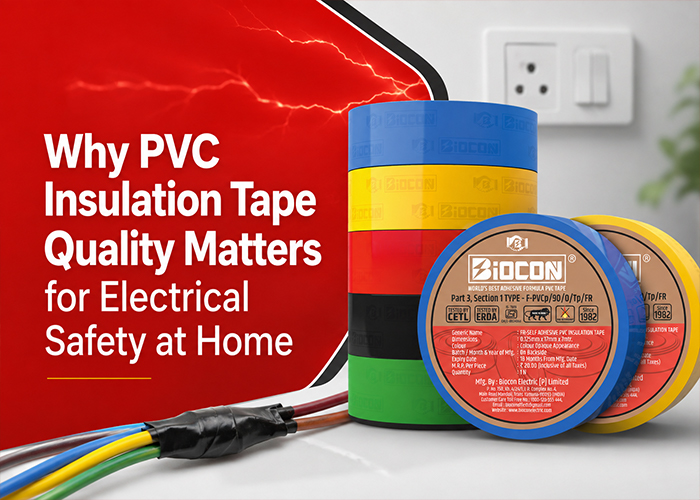
Why PVC Insulation Tape Quality Matters for Electrical Safety at Home Electrical safety is something every homeowner should take seriously. From small wiring repairs to major electrical installations, even a minor mistake can lead to dangerous situations. One product that often goes unnoticed is PVC insulation tape. While it may look like a simple accessory, its quality plays a vital role in protecting electrical connections, reducing the risk of short circuits, and preventing electrical accidents. Choosing a high-quality tape ensures better insulation, stronger adhesion, and long-lasting performance. Whether you are fixing household wiring or working on electrical maintenance, understanding why PVC insulation tape quality matters can help you make safer and smarter decisions. What Is PVC Insulation Tape? PVC insulation tape is a flexible adhesive tape designed to insulate electrical wires and cable joints. It protects electrical connections from moisture, dust, heat, and accidental contact while keeping wires securely covered. Its flexibility also makes it easy to wrap around wires of different sizes without damaging them. Why the Quality of PVC Insulation Tape Matters Not every PVC electrical tape offers the same level of protection. Low-quality products may lose their adhesive strength, crack over time, or fail under high temperatures. High-quality electrical insulation tape provides reliable insulation and remains effective for years. Some important benefits include: Better electrical insulation Strong and durable adhesive Resistance to heat and moisture Longer service life Reduced maintenance needs 1. Prevents Electrical Short Circuits One of the biggest reasons to choose quality wire insulation tape is its ability to prevent short circuits. Proper insulation keeps exposed wires from touching each other, reducing the possibility of sparks or electrical failure. 2. Improves Home Electrical Safety Electrical faults are among the common causes of household fires. Using reliable electrical tape for wiring creates an additional protective layer around wire joints, helping improve overall electrical safety at home. 3. Provides Better Heat Resistance Electrical wires generate heat during operation. A premium PVC insulation tape can tolerate higher temperatures without melting or losing its insulating properties, making it suitable for long-term use. 4. Offers Excellent Moisture Protection Moisture is one of the biggest enemies of electrical systems. Quality electrical insulation tape acts as a barrier against water and humidity, protecting wiring in kitchens, bathrooms, garages, and outdoor installations. 5. Stays Flexible for Longer Over time, poor-quality tape can become brittle and peel away from the wire. High-quality PVC electrical tape remains flexible, allowing it to maintain a secure seal even after years of use. Comparison: High-Quality vs Low-Quality PVC Insulation Tape Feature High-Quality PVC Insulation Tape Low-Quality Tape Adhesion Strong and long-lasting Weak, peels easily Heat Resistance Excellent Limited Moisture Protection High Poor Durability Long-lasting Cracks over time Safety Better electrical protection Higher risk of failure How to Choose the Right PVC Insulation Tape Before purchasing PVC insulation tape, check the following: Look for good dielectric strength. Choose flame-retardant material. Ensure strong adhesive quality. Select weather-resistant tape for outdoor use. Buy from trusted manufacturers. Verify compliance with recognised quality standards. Common Mistakes to Avoid Many homeowners unknowingly reduce electrical safety by making simple mistakes, including: Using ordinary adhesive tape instead of electrical insulation tape. Wrapping damaged wires without repairing them. Applying tape on dirty or wet wire surfaces. Reusing old or stretched tape. Choosing cheap products only because of the lower price. Avoiding these mistakes improves the reliability of home wiring and reduces future maintenance. Conclusion A small product like PVC insulation tape has a significant impact on electrical safety. High-quality tape provides dependable insulation, protects wiring from heat and moisture, and reduces the chances of electrical failures. Investing in reliable insulation materials today can prevent expensive repairs and improve household safety for years to come. For homeowners and professionals looking for dependable electrical products, Biocon Electric offers quality solutions designed to support safer and more reliable electrical installations. FAQs 1. Why is PVC insulation tape used in electrical wiring? PVC insulation tape is used to cover exposed wires, insulate electrical joints, protect against moisture, and reduce the risk of short circuits, making electrical systems safer and more reliable. 2. How can I identify a good quality PVC insulation tape? Choose tape with strong adhesive, excellent flexibility, heat resistance, flame-retardant properties, and compliance with recognised quality standards for dependable electrical insulation. 3. Can PVC insulation tape prevent electrical fires? While it cannot prevent every electrical fire, high-quality PVC insulation tape reduces the risk by properly insulating exposed wires and protecting electrical connections from damage. 4. How often should electrical insulation tape be replaced? Replace insulation tape whenever it becomes loose, cracked, brittle, or damaged. Regular inspections during home electrical maintenance help ensure continued safety and reliable performance. 5. Is PVC insulation tape suitable for outdoor use? Yes, many high-quality PVC insulation tapes are designed to resist moisture, sunlight, and changing weather conditions, making them suitable for outdoor electrical applications.
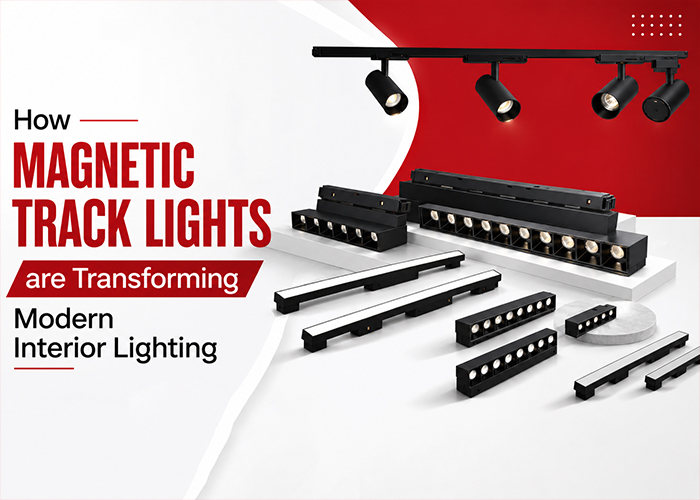
How Magnetic Track Lights Are Transforming Modern Interior Lighting Modern homes and commercial spaces are no longer satisfied with ordinary lighting. Today, people want lighting that is stylish, flexible, energy-efficient, and capable of enhancing the overall interior design. This is where magnetic track lights are making a significant difference. From luxury apartments to offices, retail stores, cafes, and art galleries, these innovative lighting systems have become a preferred choice for architects and interior designers. Unlike traditional lighting fixtures, magnetic track lighting offers greater flexibility because the light fixtures can be moved, replaced, or repositioned without rewiring. This makes it a practical and future-ready lighting solution for changing interiors. If you are planning a renovation or designing a new space, understanding how magnetic track lights work can help you make an informed decision. What Are Magnetic Track Lights? Magnetic track lights are a modern lighting system where light fixtures are attached to a magnetic track instead of being permanently fixed. The track carries low-voltage power, allowing different lighting modules to snap into place securely. Common lighting modules include: Spotlights Linear lights Pendant lights Adjustable floodlights Decorative lighting fixtures Since these fixtures can be repositioned easily, magnetic track systems offer unmatched flexibility for both residential and commercial interiors. Why Magnetic Track Lights Are Becoming Popular The demand for magnetic track lights has increased because they combine functionality with modern aesthetics. They provide clean ceiling lines while allowing users to customize lighting layouts whenever needed. Some major reasons for their popularity include: Minimalist and elegant appearance Flexible lighting arrangement Energy-efficient LED technology Easy maintenance and upgrades Suitable for various interior styles Benefits of Magnetic Track Lighting 1. Flexible Lighting Design One of the biggest advantages of magnetic track lights is flexibility. Fixtures can be moved along the track whenever furniture layouts or room functions change. There is no need for additional electrical work. 2. Modern and Minimal Look Contemporary interiors often focus on simplicity. Magnetic tracks blend neatly into ceilings or walls, creating a clean and uncluttered appearance while highlighting architectural elements. 3. Energy Efficiency Most magnetic track systems use LED technology, which consumes less electricity than conventional lighting. This reduces energy bills while providing bright and consistent illumination. 4. Multiple Lighting Options A single magnetic track can support different types of lighting fixtures. You can combine spotlights for artwork, linear lights for workspaces, and pendant lights for decorative purposes. 5. Easy Installation and Maintenance Replacing or adding fixtures is simple because they attach magnetically. This saves both installation time and maintenance costs compared to traditional lighting systems. Where Can Magnetic Track Lights Be Used? Magnetic track lighting is suitable for various spaces, including: Space Lighting Purpose Living Rooms Ambient and accent lighting Bedrooms Comfortable and adjustable illumination Kitchens Focused task lighting Offices Productive workspace lighting Retail Stores Product and display highlighting Cafes & Restaurants Decorative atmosphere Art Galleries Highlighting artwork and exhibits Choosing the Right Magnetic Track Lighting System Before selecting a magnetic track lighting system, consider these factors: Ceiling Type Ensure the track is compatible with recessed, surface-mounted, or suspended ceiling designs. Lighting Requirements Decide whether you need ambient lighting, task lighting, or accent lighting. Different fixtures serve different purposes. Track Length Choose a track length based on room dimensions and future expansion requirements. LED Quality Select high-quality LED modules with good colour rendering for natural and comfortable lighting. Professional Installation Although installation is relatively straightforward, professional fitting ensures proper alignment, safety, and long-term performance. The Future of Interior Lighting As smart homes and modern architecture continue to evolve, magnetic track lighting is becoming a preferred solution because of its adaptability and sleek appearance. Homeowners appreciate the ability to modify lighting without replacing the entire system, while designers value the creative freedom it offers. With growing emphasis on energy conservation and personalized interiors, magnetic track lights are expected to become even more popular in residential and commercial projects. Conclusion Magnetic track lights have transformed modern interior lighting by offering flexibility, energy efficiency, elegant design, and easy customization. Whether you are renovating a home, designing an office, or planning a retail space, they provide a practical solution that adapts to changing needs without compromising aesthetics. For those looking to explore reliable and high-quality magnetic track lighting solutions, Biocon Electric offers products designed to meet modern lighting requirements while combining functionality with contemporary design. FAQs 1. What are magnetic track lights? Magnetic track lights are modular lighting fixtures that attach magnetically to a powered track, allowing users to reposition or replace lights easily without changing the electrical wiring. 2. Are magnetic track lights energy efficient? Yes. Most magnetic track lighting systems use LED technology, which consumes less electricity, produces less heat, and offers a longer lifespan than traditional lighting options. 3. Can magnetic track lights be used in homes? Absolutely. They are ideal for living rooms, bedrooms, kitchens, dining areas, and home offices because they provide flexible and stylish lighting solutions. 4. Are magnetic track lights suitable for commercial spaces? Yes. Retail stores, offices, hotels, restaurants, galleries, and showrooms commonly use magnetic track lights to create attractive and adaptable lighting layouts. 5. Do magnetic track lights require professional installation? Although some systems are relatively easy to install, professional installation is recommended to ensure proper electrical connections, safe operation, and accurate fixture alignment.
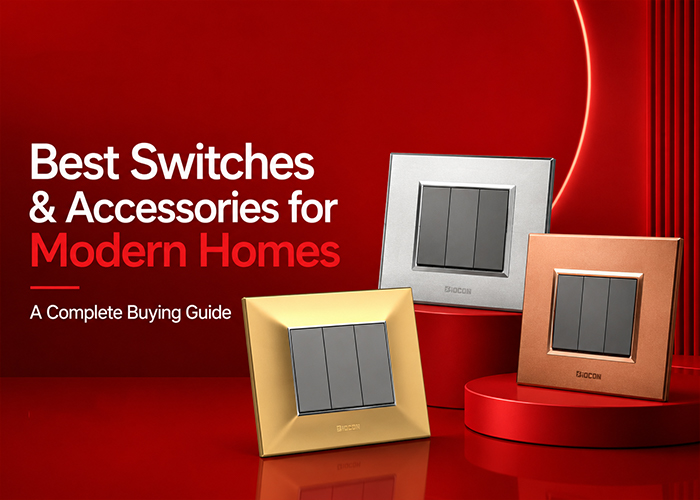
Best Switches & Accessories for Modern Homes: A Complete Buying Guide Modern homes are no longer just about beautiful interiors and stylish furniture. Every electrical component plays an important role in ensuring safety, convenience, and long-term performance. Choosing the best switches & accessories for modern homes is one of the smartest investments because these products are used every day. From modular switches to sockets, fan regulators, USB charging ports, and smart controls, today’s electrical accessories are designed to offer better functionality while enhancing your home’s appearance. However, with so many options available, selecting the right products can be confusing. This guide explains everything you need to know before buying electrical switches and accessories, helping you make an informed decision for a safe and modern living space. Why Choosing the Right Switches Matters Electrical switches are among the most frequently used products in any home. Poor-quality switches can wear out quickly, become unsafe, or spoil the overall appearance of your interiors. High-quality switches provide: Better electrical safety Longer product life Smooth operation Elegant appearance Easy maintenance Improved energy efficiency Investing in reliable electrical accessories today helps prevent costly repairs in the future. Types of Switches & Accessories for Modern Homes 1. Modular Switches Modular switches are the preferred choice for modern homes because of their sleek design and ease of installation. They are available in various colors, finishes, and configurations to match different interiors. 2. Smart Switches Smart switches allow users to control lights, fans, and appliances through smartphones or voice assistants. They are ideal for smart homes and offer additional convenience and energy savings. 3. Sockets and Power Outlets Modern homes require multiple socket options for televisions, kitchen appliances, laptops, chargers, and other electronic devices. Choose sockets with proper safety shutters and high-quality materials. 4. Fan Regulators Electronic fan regulators provide smoother speed control while consuming less electricity than traditional regulators. 5. USB Charging Modules Many modular switchboards now include built-in USB charging ports, reducing the need for multiple adapters. Key Features to Look for Before Buying When selecting the best switches & accessories for modern homes, consider the following features: High-quality flame-retardant material Durable internal contacts ISI-certified or industry-compliant products Smooth switch operation Scratch-resistant finish Shock-resistant construction Child safety features Easy installation Attractive modular design Long warranty support Comparison: Standard vs Modular Switches Feature Standard Switches Modular Switches Design Basic Stylish and modern Safety Standard Enhanced safety features Maintenance Difficult Easy replacement Customization Limited Multiple combinations Appearance Traditional Premium finish Durability Moderate High Common Mistakes to Avoid Many homeowners make buying decisions based only on price. Avoid these common mistakes: Ignoring product certifications. Choosing poor-quality plastic materials. Buying incompatible switchboards. Overlooking warranty coverage. Ignoring future electrical requirements. Selecting appearance over safety. Purchasing products without checking brand reputation. Tips for Choosing the Best Electrical Accessories Buy products from trusted manufacturers. Match switch designs with your interior theme. Choose modular systems for future flexibility. Ensure compatibility with your wiring. Check safety certifications before purchasing. Consider long-term durability instead of only the initial cost. Ask a qualified electrician for installation advice. Conclusion Selecting the best switches & accessories for modern homes is about balancing safety, durability, functionality, and design. High-quality electrical products not only improve your home’s appearance but also provide reliable performance for years. Before making a purchase, compare features, verify certifications, and choose products that meet your household’s present and future electrical needs. For homeowners looking for dependable electrical solutions, Biocon Electric offers a wide range of switches and accessories designed with quality, safety, and modern living requirements in mind. FAQs 1. Which type of switches are best for modern homes? Modular switches are considered the best option because they offer stylish designs, better durability, improved safety features, and easy maintenance compared to conventional electrical switches. 2. Are smart switches worth buying? Yes. Smart switches provide remote control, voice assistant compatibility, scheduling features, and improved convenience, making them a practical choice for modern households. 3. How can I identify good-quality electrical switches? Look for certified products made from flame-retardant materials, smooth operating mechanisms, strong internal contacts, reliable warranties, and trusted manufacturers with good customer reviews. 4. How long do modular switches usually last? High-quality modular switches can last for many years with regular use, especially when installed correctly and maintained properly by qualified electricians. 5. Why are electrical certifications important? Certifications indicate that the products have been tested for safety and quality standards, reducing the risk of electrical faults and ensuring reliable long-term performance.
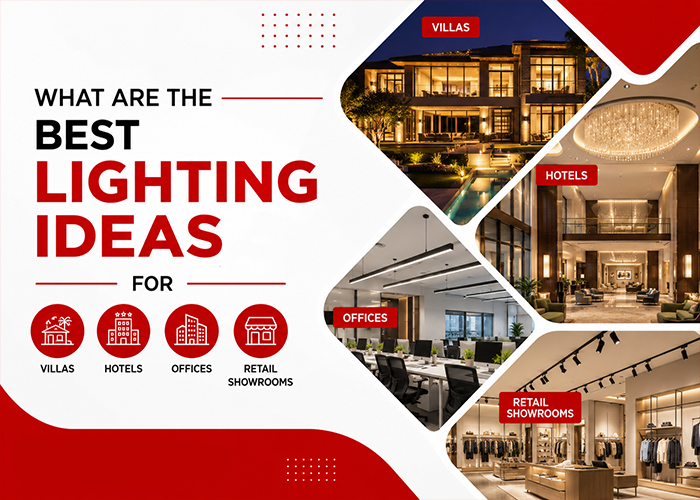
What Are the Best Lighting Ideas for Villas, Hotels, Offices and Retail Showrooms? Lighting is an important part of defining, creating and contributing to aesthetics, atmosphere and performance within a space. Contemporary, bright lighting can transform the atmosphere of a villa, make a hotel more lavish, turn an office into a productive place and make a retail showroom more appealing to its visitors. In today’s age, modern lighting emphasises comfort, energy conservation, and smart design. The correct selection of architectural lighting in various rooms can enhance both their aesthetics and functionality. Plans for Lighting Application in Villas. Decorative lighting and functional lighting are required in a villa. Living rooms and bedrooms often use LED lights for warmer lighting, as they help to create a relaxing and calming atmosphere. Elegant pendant lights overhead in dining spaces, and wall lights near stairs, lend a sophisticated touch without overwhelming the environment. Outdoor Lighting is also essential in villas. Lights for the garden, pathway, and façade enhance safety and illuminate the property’s beauty in the evening. People are increasingly interested in smart lighting systems because they can adjust colour and brightness via their mobile phones. Lighting Ideas for Hotels Layered lighting is essential for hotels to ensure a welcoming experience for their guests. The reception area may have soft ceiling lighting and chandeliers to make a welcoming space. Indirect lighting and adjustable bedside lighting help guests relax in the guest rooms. Indoors, dim lighting is often used to create a high-end ambience in restaurants and hotel lounges. Hotels are generally choosing to use energy-efficient LED lighting as it helps to save electricity and maintenance costs. Energy research indicates that LED lights use almost 75% less energy than conventional incandescent bulbs. Lighting Ideas for Offices Office lighting should support productivity and avoid eye strain. White LED panel lights provide a natural look and balanced brightness, making them a popular choice for workspaces. High-stress lighting in the office can lead to reduced focus and discomfort from long working hours. Adjustable ceiling lights and task-focused desk lights are typical in meeting rooms for presentations. In modern office lighting, energy-saving systems such as motion sensors and daylighting controls are also part of the lighting system. The proper lighting design in offices enhances employee comfort and professionalism. Lighting Ideas for Retail Showrooms Lighting is used in retail showrooms to draw people in and emphasise products. Track and spotlight lighting are popular because they direct light at the areas being displayed. A bright light in a product or product section creates better visibility and customer interest. Various colour temperatures are used depending on the products being exhibited. The warm light is suitable for fashion stores, and the cool white light is appropriate for electronics showrooms. The correct lighting design for villas, hotels, offices, and retail showrooms helps to create attractive, comfortable rooms. In addition, modern lighting offers energy-saving benefits and long-term use. Conclusion Biocon Electric offers cutting-edge architectural lighting solutions tailored for contemporary commercial and residential developments, helping to create functional, energy-efficient, and aesthetically harmonious environments. FAQs Which lighting is best for modern villas? Warm LED lighting, pendant lights, and smart lighting systems are considered ideal for modern villas. They improve comfort, save energy, and create a stylish appearance for both indoor and outdoor spaces. Why is LED lighting preferred in hotels? LED lighting is preferred in hotels because it consumes less electricity, lasts longer, and provides comfortable brightness. It also helps hotels reduce maintenance costs while creating a premium guest experience. What type of lighting works best in offices? Natural white LED panel lights and task lighting work best in offices. They reduce eye strain, improve focus, and create a productive working environment for employees during long office hours. How does lighting improve retail showrooms? Good showroom lighting highlights products, improves visibility, and attracts customer attention. Spotlights and track lighting are commonly used to make products look more appealing and increase customer engagement. What is architectural lighting? Architectural lighting is a lighting design approach that improves the appearance, functionality, and atmosphere of a building. It is commonly used in villas, hotels, offices, and retail spaces for modern interiors.
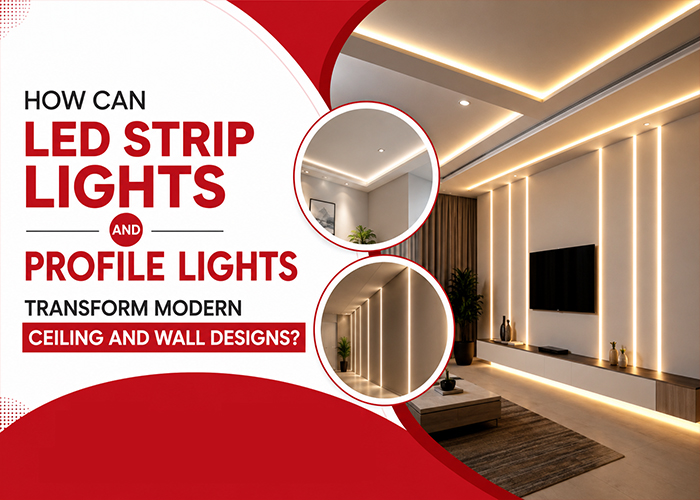
How Can LED Strip Lights and Profile Lights Transform Modern Ceiling and Wall Designs? Conventional ideas of simple ceilings and walls are no longer used in modern house construction. Lighting is a significant factor in creating a stylish and comfortable space today. The most popular are LED strip lights and profile lights, which are transforming interior design. These lights not only brighten the room but also enhance its depth, elegance and contemporary style. Why LED Strip Lights Are Popular in Modern Interiors? LED strip lighting is a flexible lighting solution used for ceilings, wall panels, cabinets, stairs, and furniture edges. They have a compact design that allows them to fit seamlessly into the environment, providing a touch of sophistication and streamlined elegance. LED strip lights use less power and are so long-lasting that many homeowners prefer them to conventional lights. They are also popular for their ability to create soft ambient lighting. LED strip lights are available in warm white and cool white colours, creating cozy living rooms and modern-looking kitchens and offices. There are even advanced LED strip lights with colour-changing options, providing users with greater control over mood lighting. Profile Lights for Ceiling and Wall Designs Profile lights are modern lighting fixtures installed within aluminium profiles. They are commonly used in false ceilings, wall grooves, as decorative panels etc. The lights produce strong lines and stripes that help to make interiors modern and tidy. In modern ceiling designs, profile lights are often used to highlight geometric shapes and layered ceiling structures. They offer even illumination without glare. Profile lights are used to illuminate textures, paintings and decorative panels on walls. This will provide a special, attractive look. Profile lights are also a favourite among interior designers, as they can be made in various lengths and shapes. Profile lights come in a variety of shapes and designs, including straight lines, squares, and curves, and can help create a clean and luxurious look. Energy Efficient Both LED strip lights and profile lights are highly energy efficient. Lighting industry research indicates that LED lighting may be as much as 75% more energy-efficient than traditional incandescent light bulbs. They are also cooler to use inside for extended periods of time. The other advantage is that it is easy to maintain. These lights last a long time, which means the homeowner will spend less on replacements and repairs. They are durable and have a modern look, making them a good option for interiors of both homes and offices. Conclusion The modern ceiling and wall design has been completely transformed by incorporating LED strip and profile lights, which are more elegant, functional, and energy-efficient. They are useful for creating beautiful rooms and can also enhance lighting in a home or office. Biocon Electric is a trusted name in providing quality lighting solutions and advanced electrical products, offering a range of innovative lighting options suitable for modern living spaces. FAQs What are LED strip lights mainly used for? LED strip lights are commonly used for ceiling lighting, wall decoration, cabinet lighting, and furniture highlighting. They create soft ambient lighting and improve the overall appearance of modern interiors while using less electricity. Why are profile lights preferred in modern homes? Profile lights are preferred because they provide clean linear lighting and enhance modern ceiling and wall designs. They also reduce glare and create a sleek and luxurious appearance in living spaces. Are LED strip lights energy efficient? Yes, LED strip lights consume much less electricity compared to traditional bulbs. They are designed to save energy, produce less heat, and offer a longer lifespan, making them cost-effective for daily use. Can profile lights be installed on walls? Yes, profile lights can be installed on walls to highlight textures, artwork, and decorative panels. They help create modern, attractive wall designs with balanced, comfortable lighting. Do LED strip lights require high maintenance? No, LED strip lights require very little maintenance because they are durable and long-lasting. Their strong performance and low energy consumption make them suitable for long-term residential and commercial use.
How to Reduce Electricity Bills with LED Lights and Energy-Efficient Wiring The increasing power rates are a worry to households and companies. The good news is that even minimal modifications, such as replacing the lighting with LED lights and enhancing the wiring systems, can make a difference. Not only do these solutions reduce energy use, but they also enhance safety and long-term savings. Why are LED lights such a big difference? One of the simplest ways to save on electricity bills is to use LED lights. LEDs consume up to 80 per cent less energy than traditional incandescent bulbs. They are also very durable- most of them last up to 25,000 or more years, so you also save on replacement expenses. The other benefit is that LED lamps generate minimal heat. It will reduce energy wastage, and rooms will also remain cooler, particularly during the summer. Regardless of whether it is for indoor or outdoor lighting, converting to LED lights is a good and wise move. The purpose of Energy-Saving Wiring. While the focus is primarily on lighting, wiring is equally important for energy efficiency. Old or faulty wiring may cause energy loss, voltage drop, and even hazards. With energy-efficient wiring, the flow of electricity will be smooth, with minimal waste. Newer wiring systems are made to accommodate the electrical loads more efficiently and have lower resistance. It helps appliances operate more effectively and prevents overheating. Good-quality wiring and installation methods can help a lot in reducing power consumption in the long run. Better Together: Savings Maximally. LED lights are beneficial when used individually; however, when combined with efficient wiring, the results are most effective. When electricity flows in the appropriate direction through a well-planned system, LEDs operate at maximum efficiency. This mixture can reduce the total amount of electricity consumed. Indicatively, research indicates that houses equipped with LED lights and refurbished wiring systems can achieve savings of 30-40 per cent on electricity bills. It is a considerable sum in a year. More Electricity Bill-Saving Hints. Other than lighting and wiring, simple habits can help, too: Switch lights and appliances off. Use appliances with good ratings and use less energy. Avoid overloading circuits Have periodic electrical maintenance. These minor measures, along with appropriate infrastructure, can achieve long-term savings without compromising comfort. Conclusion It does not necessarily mean that big changes are necessary to reduce electricity bills. Major improvements, such as replacing lights with LEDs and enhancing the wiring system, can have a powerful effect. They not only save money but also help create a safer, more energy-efficient environment. With reliable, effective electrical solutions, Biocon Electric targets customers seeking cost-effective systems that help save energy without compromising system quality and safety.
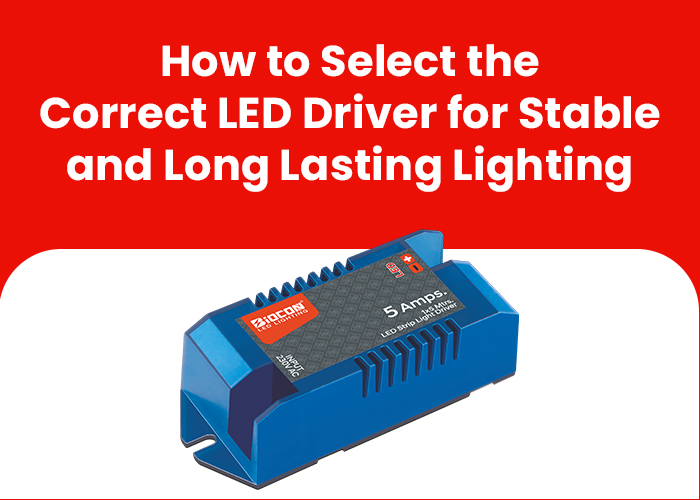
How to Select the Correct LED Driver for Stable and Long-Lasting Lighting Selecting the appropriate LED driver is as important as selecting the LED light. A competent driver guarantees stable performance, a longer life cycle, and improved energy efficiency. Even the finest LED lights may flicker, overheat or fail prematurely if the driver is not paired correctly. What is an LED Driver? An LED driver is a device that controls the power delivered to an LED. Unlike conventional bulbs, LEDs require constant current or constant voltage to operate efficiently. The driver controls this flow and safeguards the light against damage caused by power fluctuations. Constant Current vs Constant Voltage. The initial thing to do is to determine what kind of LED driver you require. Constant Current Drivers provide a constant current and vary the voltage. They are typically used in high-powered LED applications such as streetlights and industrial lighting. Constant Voltage Drivers are a fixed voltage, often 12V or 24V, and they are utilised in LED strips and decorative lighting. Selecting the wrong type may reduce efficiency and break the LEDs. Check Power Requirements Always adjust the driver’s output power to the LED’s demand. Assuming your LED requires 30 watts, choose a driver that is a bit higher, say 35-40 watts. It will avoid overloading and enhance durability. Lighting experts said that when a driver is operated at approximately 80-90 per cent of its rated load, it greatly enhances its lifespan. Examine Efficiency and Power Factor. The LED driver is highly efficient and dissipates less heat; thus, it delivers better performance and reduces electricity bills. In addition, verify the power factor – a higher factor value is a sign of efficient power use and reduced burdens on the electrical system. Consider Dimming Compatibility If you need adjustable brightness, make sure the driver supports dimming. Not every LED driver is dimmable, and an unsuitable one may produce flickering or patchy light. Check Protection Features An LED driver must also have safety features such as: Over-voltage protection Short-circuit protection Thermal protection These characteristics help prevent damage and ensure safe operation, particularly in locations with an unstable power supply. Assess Environment and Installation. Take note of the location of the LED driver. In outdoor or industrial environments, it is preferable to use a driver with an appropriate IP rating to resist dust and moisture. In addition, it should fit in well within your installation area. Conclusion The choice of an LED driver plays a crucial role in establishing stable, efficient, and long-lasting lighting. You can prevent most problems and achieve maximum performance out of your lighting system by learning about the type, power requirements, efficiency, and safety features. For individuals seeking reliable lighting systems, collaborating with professionals such as Biocon Electric ensures access to high-quality components and practical advice for improved lighting performance.